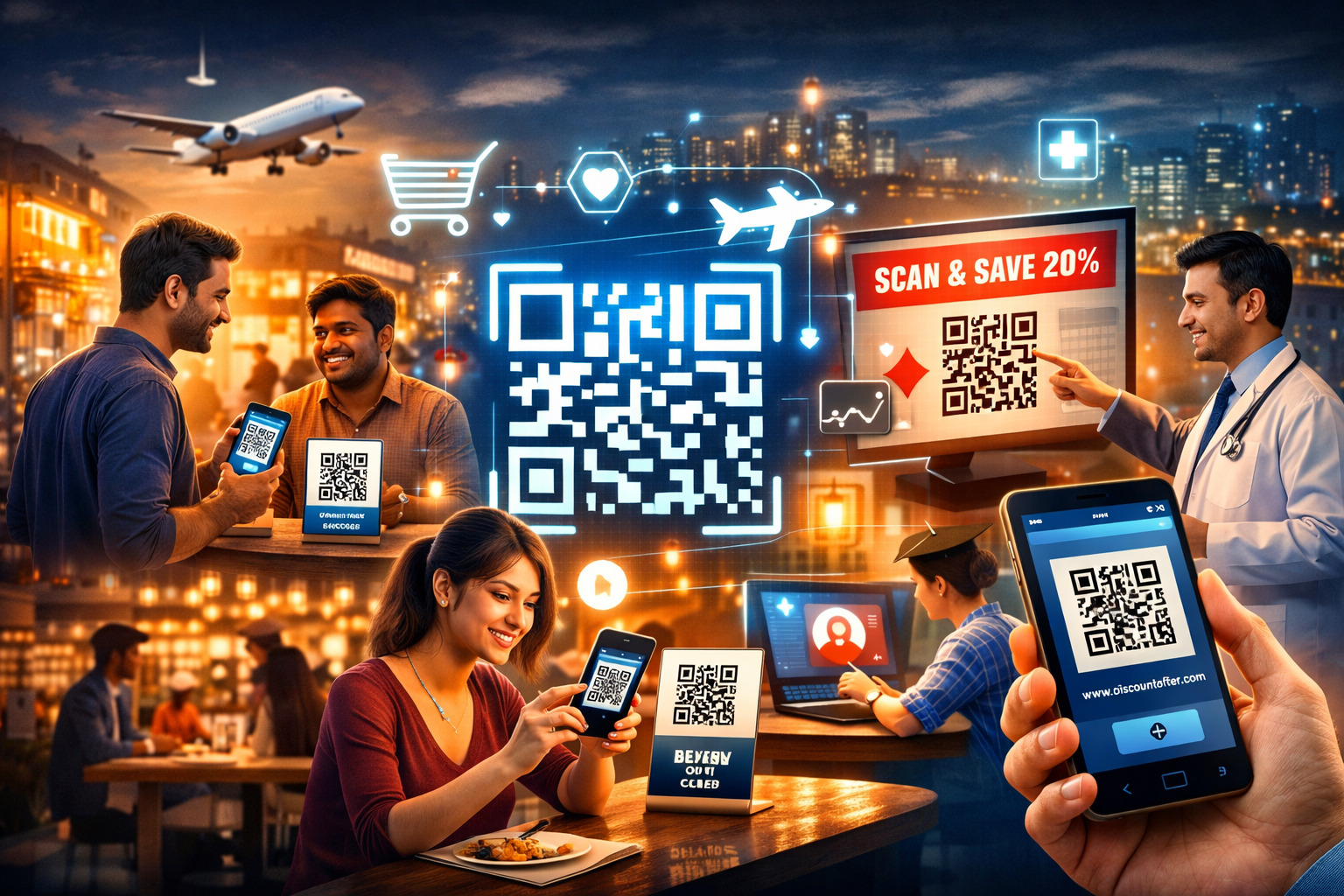
In the current generation, technology is expected to be fast, simple, and accessible. People no longer want to type long URLs, carry physical documents, or wait in queues for basic services. This is where QR codes have become a powerful tool. What once looked like a simple black-and-white square has now evolved into a key driver of digital transformation across the world.
QR codes have silently integrated into our daily routines, changing the way we make payments, access information, market products, and interact with services. Their growth reflects the lifestyle of the current generation—mobile-first, convenience-driven, and digitally connected.
Why QR Codes Became Popular
The biggest reason for the success of QR codes is smartphone penetration. Almost everyone today owns a smartphone with a built-in camera capable of scanning QR codes instantly. Unlike earlier technologies, QR codes require no additional hardware and very little technical knowledge.
Another major factor is the demand for contactless solutions, especially after global health concerns. QR codes allow people to complete tasks without touching shared surfaces, making them safer and more hygienic.
Everyday Uses of QR Codes
QR codes are now part of everyday life in ways we often don’t even notice.
Digital Payments:
QR-based payments have revolutionized transactions. From small roadside vendors to large shopping malls, QR codes allow instant payments using mobile wallets or banking apps. They reduce dependency on cash and eliminate the need for physical cards.
Food and Hospitality:
Restaurants widely use QR codes for digital menus, ordering systems, and customer feedback. Customers simply scan a code, view the menu, and place orders, improving efficiency and reducing operational costs.
Education and Learning:
In schools and colleges, QR codes link students to notes, recorded lectures, assignments, and exam schedules. This supports blended and remote learning models, which are highly relevant for the current generation.
Travel and Events:
Boarding passes, movie tickets, event registrations, and hotel check-ins are now QR-based. This saves time, reduces paper usage, and improves the overall user experience.
Healthcare:
Hospitals and clinics use QR codes to share reports, prescriptions, and appointment details. Patients can quickly access their medical information with a single scan.
QR Codes in Marketing and Business
For businesses, QR codes are more than just convenience tools—they are powerful marketing assets. By scanning a QR code, customers can be directed to websites, product pages, app downloads, or promotional offers.
QR codes help businesses:
-
Track customer engagement and scan data
-
Launch targeted campaigns easily
-
Collect instant feedback and reviews
-
Improve customer experience with minimal effort
Compared to traditional advertising, QR codes bridge the gap between offline and online marketing, enabling immediate action.
Security and Responsible Usage
Modern QR codes support encrypted links and dynamic content, making them safer than before. However, with increased usage comes responsibility. The current generation must be aware of potential risks such as fake or malicious QR codes.
Best practices include:
-
Scanning QR codes only from trusted sources
-
Checking URLs before entering personal information
-
Avoiding suspicious or damaged QR stickers
With basic awareness, QR codes remain a safe and efficient technology.
The Future of QR Codes
The future of QR codes looks promising. They are being integrated with artificial intelligence, augmented reality, smart devices, and digital identity systems. In smart cities, QR codes can provide instant access to public services, transportation details, and emergency information.
As the current generation moves toward a fully digital ecosystem, QR codes will continue to evolve, offering smarter, faster, and more personalized experiences.
Conclusion
QR codes perfectly represent the mindset of the current generation—quick, simple, and efficient. From payments and education to healthcare and marketing, they have transformed how we interact with the digital world. Though small in size, their impact is massive. As technology continues to advance, QR codes will remain a key connector between the physical and digital worlds, proving that sometimes the simplest solutions create the biggest change.